
Sermon Summary
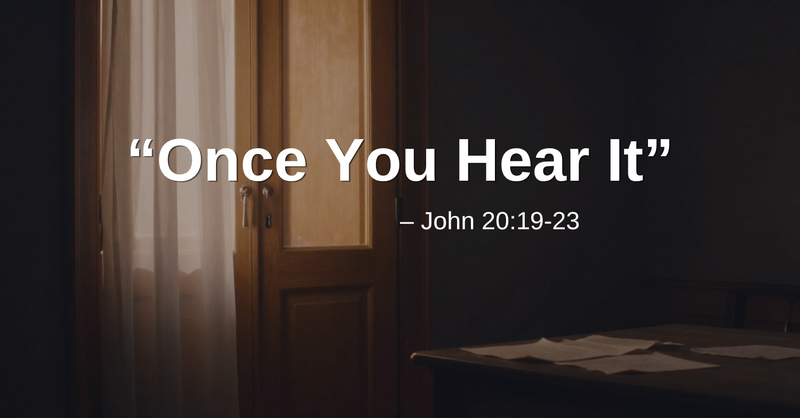
Pentecost often arrives wrapped in images of rushing wind, tongues of fire, and miraculous moments. Yet this sermon turns our attention to a quieter scene: a locked room filled with frightened people. The disciples are not standing boldly in public proclaiming resurrection. They are hiding. Traumatized by violence, overwhelmed by grief, and uncertain about the future, they have shut themselves away from the world. Into that fear-filled space, Christ appears—not with judgment or disappointment, but with peace.
Drawing on the film Ghost (1990), the sermon explores the human longing to be heard. Patrick Swayze's character knows he is present, knows his love remains, yet struggles to make himself known until Oda Mae finally hears him. Once she hears the truth, she cannot return to pretending it is not real. The same dynamic unfolds in the gospel. Once the disciples encounter the living Christ and receive the breath of the Spirit, they cannot unknow what they have experienced. Something awakens within them that refuses to let them remain hidden forever.
The sermon acknowledges that many people continue to live behind the locked doors of their own homes. Some are physical. Others are emotional or spiritual. Anxiety, depression, grief, loneliness, exhaustion, and fear can become barriers that isolate people from one another and from hope itself. Yet the resurrection story offers a profound promise: Christ does not wait for people to become emotionally whole before showing up. Divine presence enters the room even as fear remains, offering peace in the midst of uncertainty.
At the heart of the message is the image of Jesus breathing on the disciples. The breath of God echoes creation itself, signaling a new beginning. Pentecost becomes more than a historical celebration; it becomes God's continuing work of breathing life into weary souls, restoring hope where despair has settled, and calling wounded people into renewed purpose. The miracle is not that perfect people suddenly emerge. The miracle is that ordinary, frightened human beings discover that the Spirit can still move through them.
The sermon closes with a reminder that anxiety is not a person's identity, grief is not proof of abandonment, and wounds do not diminish one's worthiness of love or grace. The doors may still be locked, but Christ still enters locked rooms. The Spirit still breathes life into tired souls. And peace still finds people who fear they have been forgotten.
Key Takeaways
- Christ enters locked rooms without waiting for fear to disappear: The disciples are still traumatized, grieving, and afraid when Jesus appears among them. God's presence does not arrive after people have everything figured out; it meets them in the middle of their struggle.
- Pentecost is about renewal as much as power: Beyond images of wind and fire, Pentecost reveals God breathing life into exhausted people, restoring hope where fear and despair have taken hold.
- Peace is God's first response to human brokenness: Jesus does not offer judgment, shame, or disappointment. The first gift he offers is peace, reminding us that grace meets people where they are.
- The Spirit calls people beyond isolation: Fear often leads people to lock doors around their hearts, relationships, and faith. The Spirit gently invites people out of hiding and back into community, purpose, and hope.
- Once we encounter God's presence, we cannot remain unchanged: Just as Oda Mae could not ignore what she heard in Ghost, the disciples could not return to life as usual after encountering the risen Christ. Authentic encounters with God transform us.
- Anxiety, grief, and emotional struggles do not define a person's worth: The sermon rejects the idea that faith eliminates struggle. Fear, depression, loneliness, and exhaustion are part of the human experience, but they are not the whole story of who we are.
- The Spirit continues to breathe life into weary souls today: The same breath that renewed the disciples continues to meet people in their moments of fear, uncertainty, and exhaustion, reminding them that they are not abandoned and that hope remains possible.

