Sermon Summary
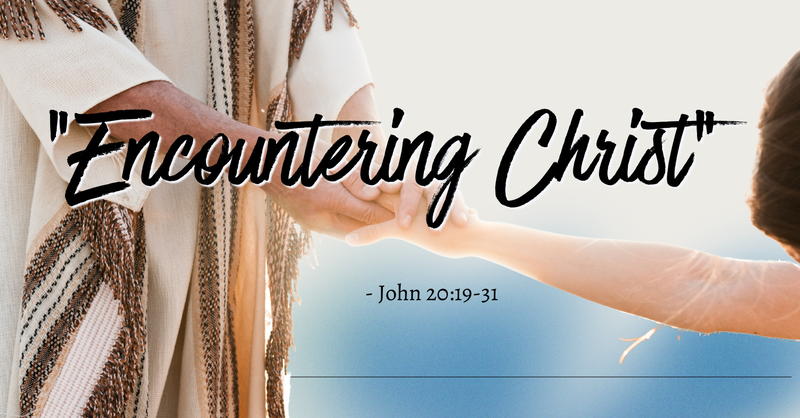
The gospel text opens on the evening of the resurrection with fear and locked doors. The risen Jesus appears among the frightened followers, greets them with peace, and makes the claim of victory over death undeniable by showing the wounds in his hands and side. Only after seeing the wounded body do the disciples move from terror to joy. Jesus then breathes the Holy Spirit into them and commissions them to witness, but one disciple, Thomas, was not present to receive those gifts.
Thomas functions not primarily as a caricature of doubt but as a realist whose faith demands encounter with the real and tangible. He wants what the others experienced: an embodied meeting with the risen Christ. His insistence on touching the wounds flows from a way of knowing rooted in senses and concrete proof, not from malice or perversity. When Jesus returns, he meets Thomas on terms Thomas can process, presenting the very wounds Thomas asked to touch, thereby honoring the desire for an authentic encounter.
The narrative then shifts from a historical moment to a theological claim for those who follow without firsthand sight. The gospel addresses communities that inherited the testimony but lacked eyewitness access. The text reframes belief as trust that can persist amid unanswered questions, not as assent to secondhand anecdotes. Jesus does not rebuke the need for encounter so much as call the wider community to believe without visual proof, while still promising that Christ continues to appear in embodied ways.
Fear and inertia receive sustained attention. Locked doors and avoidance symbolize a temptation to let fear dictate vocation. Yet the risen Christ appears regardless of closed spaces, and the Spirit empowers followers to leave safety for service. The resurrection, presented as both bodily and relational, compels concrete action: feed the hungry, clothe the naked, visit the imprisoned, and stand with the oppressed. The risen, wounded Christ remains present among those who risk the work of love, and belief matures when people move from waiting for convenient appearances to seeking Christ where suffering and need already persist.
Key Takeaways
- 1. Resurrection revealed through the wounded body. The risen life is not a ghostly abstraction but a wounded, embodied reality that validates suffering and redemption together. Seeing the wounds anchors hope in history and insists that salvation engages the body and the world. This makes resurrection a transformative presence, not merely a doctrine to admire. [01:02]
- 2. Faith requires embodied personal experience. Belief deepens when the good news meets a person’s senses and life, not only their ideas. Encounter creates ownership of faith and converts secondhand reports into living conviction. Demanding an encounter can be a healthy posture toward authentic, grounded trust. [05:40]
- 3. Doubt can be a faithful realism. Questioning often springs from a desire for truth rather than from hostility to God. Realist doubt invites honest wrestling that can lead to more robust faith when met with presence, not scorn. Treating doubt as a stage rather than a verdict preserves space for growth. [02:27]
- 4. Commission compels action beyond closed doors. Receiving peace and Spirit issues a mandate to leave safety and engage the world’s needs. Christian belief manifests in tangible acts of feeding, healing, and liberating where people already live their pain. Mission is the logical continuation of embodied resurrection. [14:36]
YouTube Chapters
- [00:00] - Welcome
- [00:28] - Resurrection and initial expectation
- [00:46] - Disciples behind locked doors
- [01:02] - Jesus shows his wounds
- [01:31] - Thomas was not present
- [03:40] - Thomas demands personal proof
- [06:55] - Jesus meets Thomas again
- [09:50] - Belief without physical sight
- [12:53] - The danger of hiding in fear
- [14:36] - Sent into the world to serve